


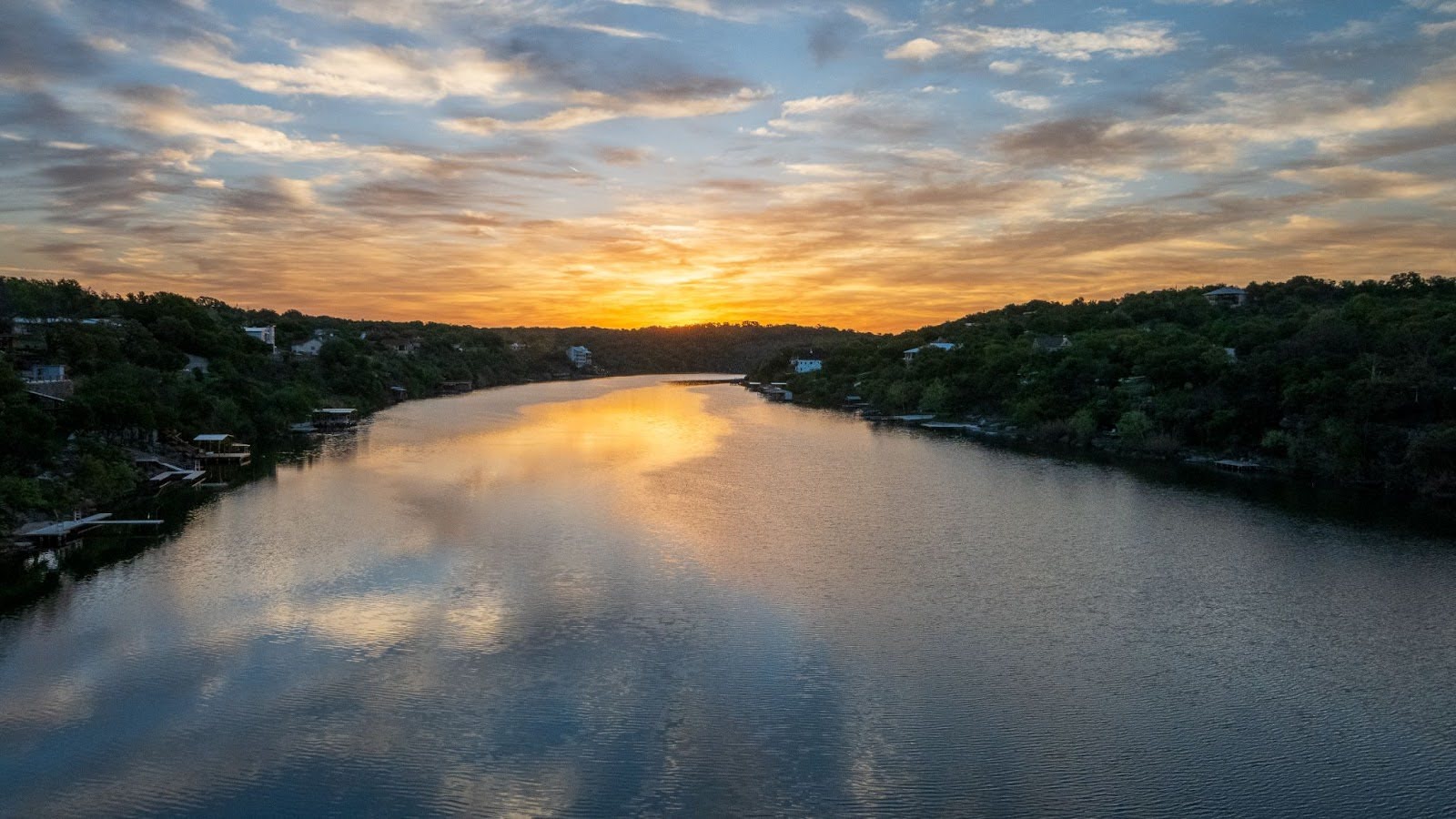
IT'S THE SIMPLE THINGS
My favorite Kid Rock song is “All Summer Long,” where he waxes nostalgic about his teenage days on Lake Michigan. It hacks me off a little that Kid lives such an impossibly great life that he makes look easy, but he is at least self-aware (“My thoughts were short, my hair was long.”). And man, did he nail the feeling of being young and at the lake:
Splashing through the sandbar
Talking by the campfire
It’s the simple things in life like when and where
We didn’t have no internet
But man, I never will forget
The way the moonlight shined upon her hair
For most of us, the beach or the mountains mean travel and at least a little money. The lake seems more accessible, more manageable, and perfect for a weekend.
For M’Lissa and me, the hotspot was Canyon Lake—more on the particulars below. It was close enough to San Antonio that we could drive there without being “away,” meaning that chaperones were unnecessary for high schoolers. The same is true in most parts of the state. Certainly, East, Central, and North Central Texas have watering holes liberally spotted about. As you move west, it dries up, but even then there are oases within reach because West Texans define “drivable” differently.
As we got older, the lake still seemed more attainable. I have never done the formal cost comparison, but my gut tells me that lake lots are less expensive than oceanfront lots, and the same is true for hotels, VRBOs, and nights out on vacation. Plus, lakes are versatile–fish, ski/wakeboard/raft/tube, float, or just sit beside one. So hats off to the great Texas escape; a day, weekend, or week at the lake. Having seen at least most of them and enjoyed many of them, here is where we would unwind.

We had the good fortune of spending a July 4th weekend at Lake Brownwood –it’s a great way to celebrate Uncle Sam. Fireworks over the water are always a treat. Lake Brownwood is right next to the city, so it is well used. There is plenty of size to it versus the local population, so it is rarely overcrowded. While not dramatic, the area is scenic.
One of the big pluses is the state park. Construction began before the depression and ended in the early 1930s. Skeptics said it would take years for the lake to fill, but a historic flood in 1932 proved the idea of a flood control lake was a good one because there were 7,000 surface acres of water all at once.
There was also a depression. Brownwood was smart enough to bid on and receive one of the early Civilian Conservation Corps projects. By 1934, the CCC was full-blast on a camping area with iconic CCC-style craftsmanship. The state took it over, and it is well-preserved. There is excellent hiking, good fishing, and plenty of easy water access.
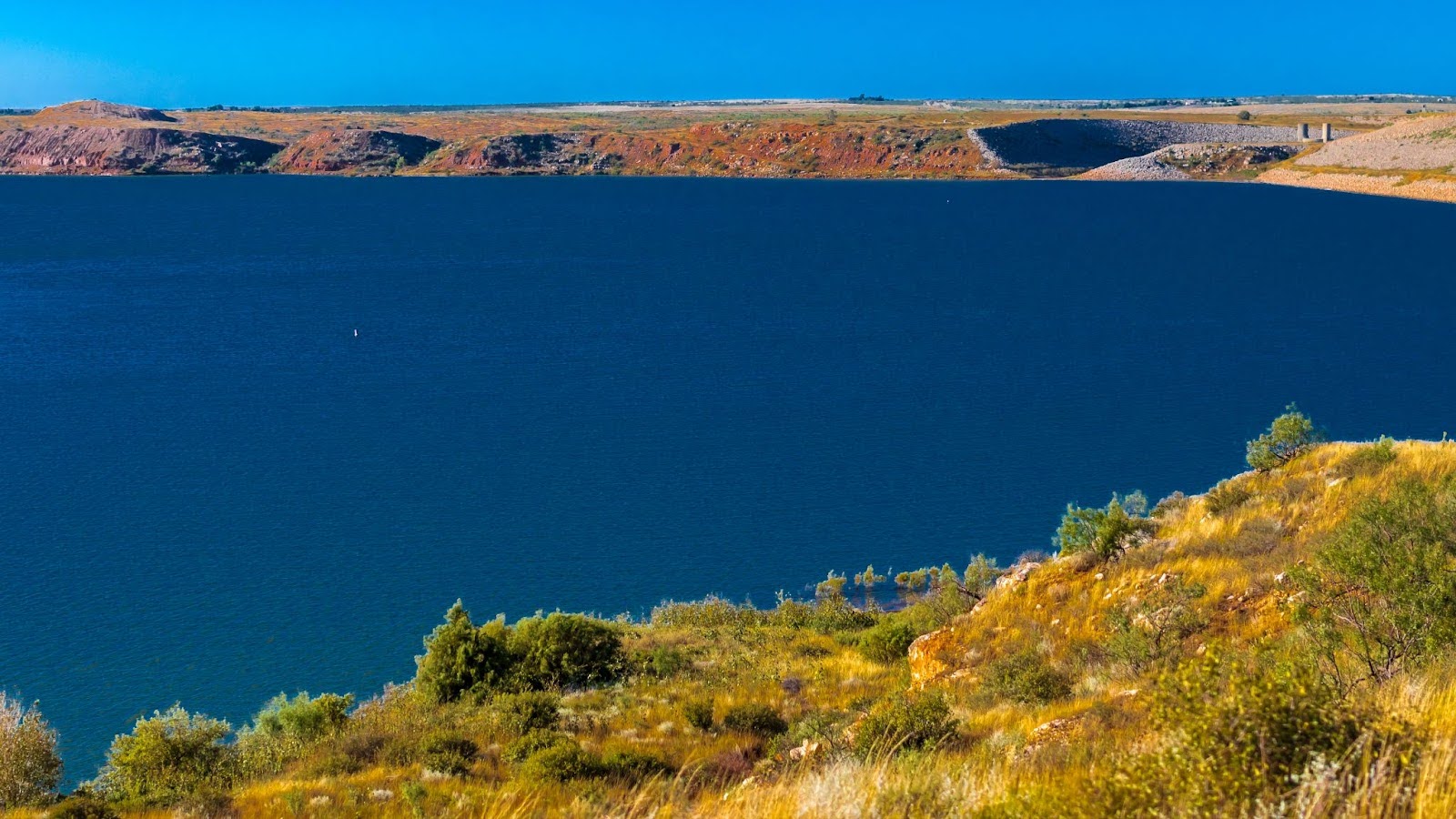
Almost everything about Potter County is surprising. Nothing more so than Lake Meredith. If any spot in Texas deserves the title “oasis,” this is it. We came upon it late in the day, suspecting a dusty, muddy puddle. Instead, we got dramatic views and a real need to return and spend more time.
The lake was created as part of a late 1950s-early 1960s project that dammed the Canadian River to provide a water supply for the surrounding population. By then, the Canadian had been drawing humans to the area for at least 13,000 years and had been running for eons even before the people arrived. All that time and water accounts for the dramatic canyon breaks that ring the lake. It also means dramatic rises from the shoreline that are not at all what you think of when someone says a “West Texas lake.” The day we were there, it was not windy (which was probably an anomaly). The protection from the cliffs made the lake still, and I really wanted a boat, a ski, and a 45-year trip back in time.
There is just as much to do around the lake. Visit the Alibates Flint Quarry for rewarding geography and history lessons. The hiking is exceptional, and there are off-roading spots for ATV enthusiasts. In-season hunting is also a possibility. The area is under the management of the National Park Service, as the quarry is designated a National Historic Monument.

Central Texas is lake country personified. It is impossible to pick a crown jewel out of the Highland Lakes, but we did it anyway. Lake Buchanan is the largest of the six Highland Lakes, and is right next to the smaller Inks Lake for those looking for less crowding. We love all the coves for privacy with an expansive middle section if you want to get the speed up.
Burnet and Marble Falls are close by, but you do not need to go even that far. There are little lake dives all over the place. Better yet, Longhorn Cavern State Park is the best non-commercial caving opportunity in the state. Spider Mountain Park is a premium mountain-biking destination. Road biking opportunities are just as good. There are several wineries and vineyards to visit. So you will only be bored if you want to be bored.
The only downside is that Buchanan and Lake Travis primarily exist as water supply lakes. The water level fluctuates significantly over time. Right now (October 2025) that is not a problem as the lake is 90% full.
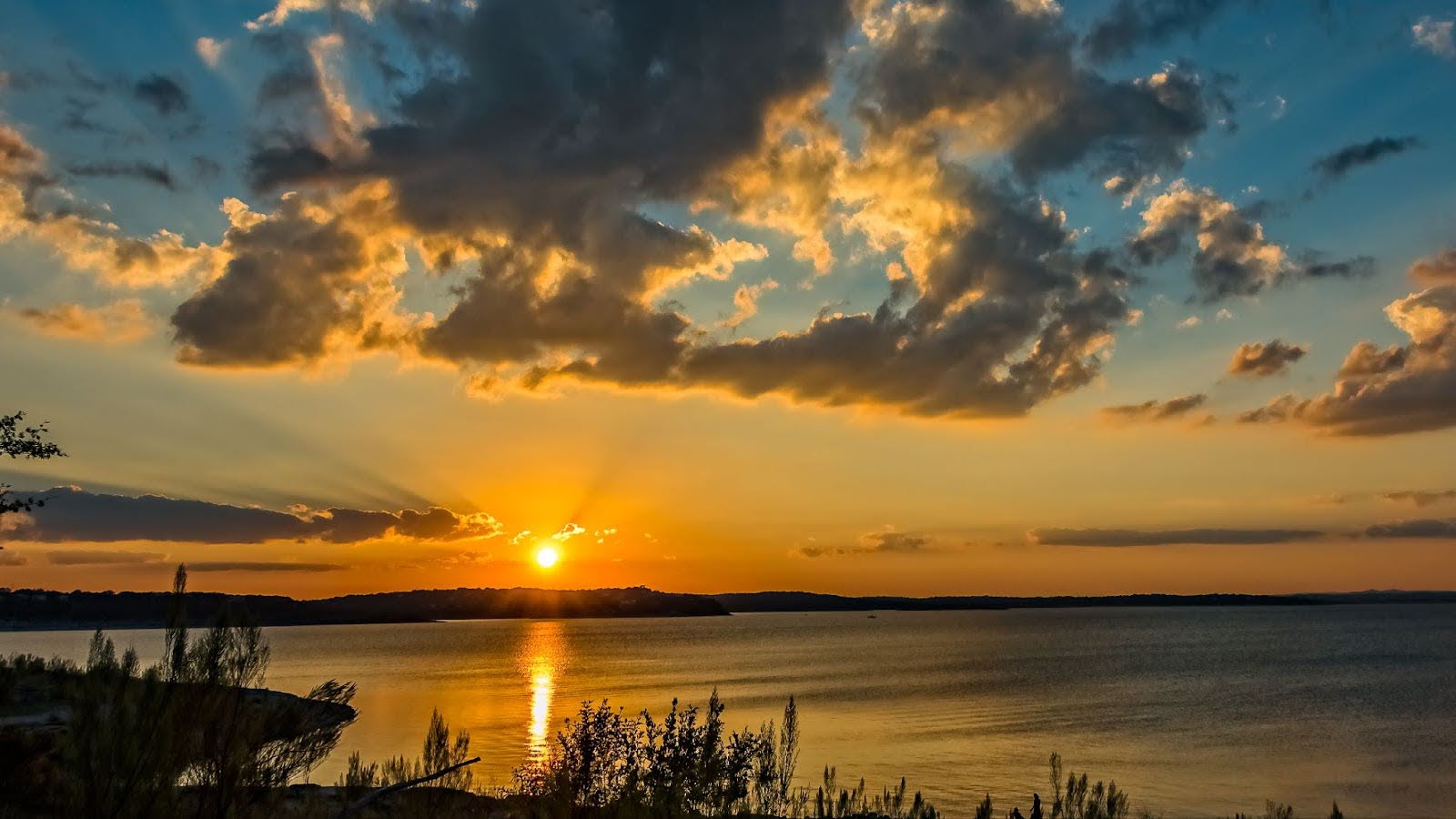
Photo Credit Robert Howen
We had to check our sentiment at the door to keep from ranking Canyon Lake number one. I learned to sail and ski there, and M’Lissa learned to fish there with her dad. Somehow, her dad also taught her that fishing includes someone else baiting the hook and freeing the fish.
Whatever the value of those life lessons, the Corps of Engineers made them possible through another late 1950s-early 1960s project with the twin aims of providing flood control for the Guadalupe River and a water supply for the region. The lake has always been known for clear water. Plenty of scuba certifications for San Antonioans and Austinites have happened there.
While the lake offers the usual Texas triumvirate of bass, catfish, and crappie, the thing that sets it apart, fishing-wise, is the trout opportunities on the Guadalupe that start at the outflow from the dam. With all the military presence in San Antonio, the Joint Base’s morale departments maintain a marina and parks for active-duty and retired military personnel, offering an excellent benefit.
That same Guadalupe runs through nearby New Braunfels on its way to the coast. Rapids rides are an option if you should tire of your lake activities. Nighttime in Comal County is a real highlight, featuring live music, a diverse range of bars and nightlife, and a vibrant live music scene, headlined by the historic Gruene Hall.

I am not sure why we went for the Irish nomenclature, but other than that, the name says it all. The tall pines right next to the lake make this one among the most picturesque in Texas. Plenty of shade makes shore-sitting more bearable in the summer for those not obsessed with obtaining a golden glow.
Lake O’ The Pines is farther from major population centers than the ones we have discussed so far. That relative isolation has three major advantages. First, less fluctuation in the lake level. Second, less crowding. Third, less light pollution, which sounds sort of new-age wonky until you spend a night viewing the stars.
At over 18,000 acres in a less populated setting, you can enjoy the peace and quiet. People come here to fish. Bass, catfish, crappie, and chain pickerel are abundant. If you tire of fishing, there is plenty of easy hiking, biking, and bird watching within the “Lake O’ The Pines Loop.” Camping is easy, whether you have a tent (for soft ground) or a country western band-style RV (with plenty of hookups). Pittsburg and Dangerfield are not big cities, but the necessities are not too far. One of the best spots in Texas to take a deep breath and relax.
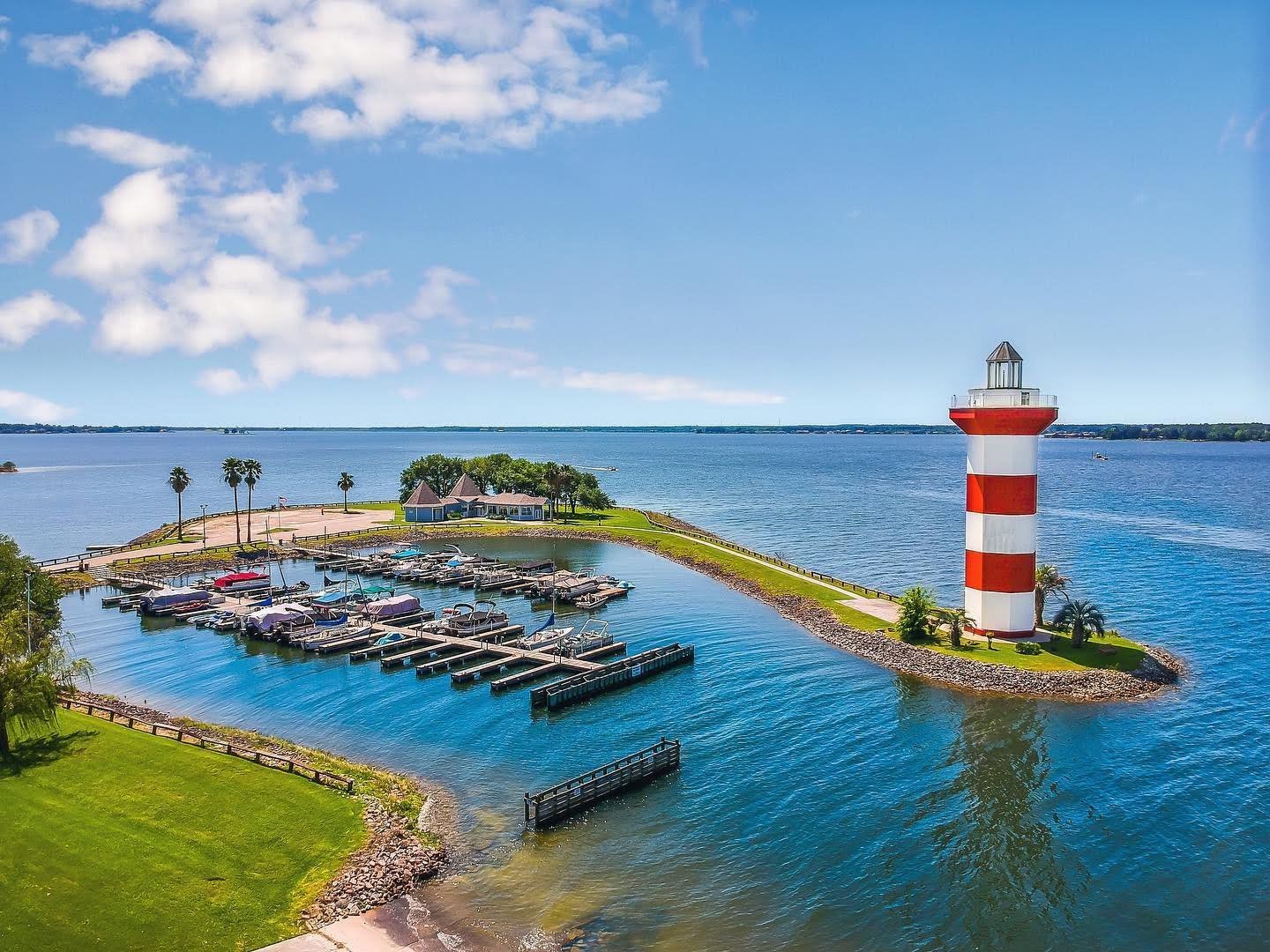
I have to say it. It is the lighthouse that makes the lake. An authentic signature piece that means water is all around you. The landmark is patterned after the more famous Harbor Town lighthouse in South Carolina. Each has a golf course as well. Conroe even has a Coast Guard Auxiliary Flotilla, so the whole ocean vibe is there.
Lake Conroe is big, at close to 22,000 acres. Whatever watersport you want, they have. Huntsville State Park and the Sam Houston National Forest are close. That means undisturbed nature is available. That said, the rest of Lake Conroe is highly developed. Houston has arrived.
Population density has its pros and cons. A nice dinner after a day on the lake is definitely an option. If you are a Houstonian, you can easily spend a day at the lake without getting up at 4:00 a.m. On the other hand, keeping your head on a swivel while towing skiers is essential. In the end, it is not a bad thing to have this much East Texas beauty right next to this many people.

This is pretty simple. Do you want to catch a big ass bass? Head to Lake Fork. At this point, 34 of the 50 biggest recorded largemouth bass reeled in in Texas came out of this lake’s waters. As far as bass fishing goes, it does not get any better. Not just in Texas, it does not get any better anywhere.
Lake Fork is relatively new, as the impoundment began in the mid-1970s. Funded by the unlikely pairing of Dallas and Longview, the dam stopped the flow of the Lake Fork of the Sabine River. The area was already home to hundreds of ponds, making it a natural fit for a water supply source. At 27,000 acres, the lake is already substantial in size. It seems even larger because it is relatively undeveloped.
A point of emphasis–this is a fishing lake. Eighty percent of the pre-existing trees remain. Good for fishing, bad for propellers. While pathways are marked, they are not exact. So take it slow.
So not the place for a variety of activities or nightlife. Great scenery and the absolute best place for fishing.
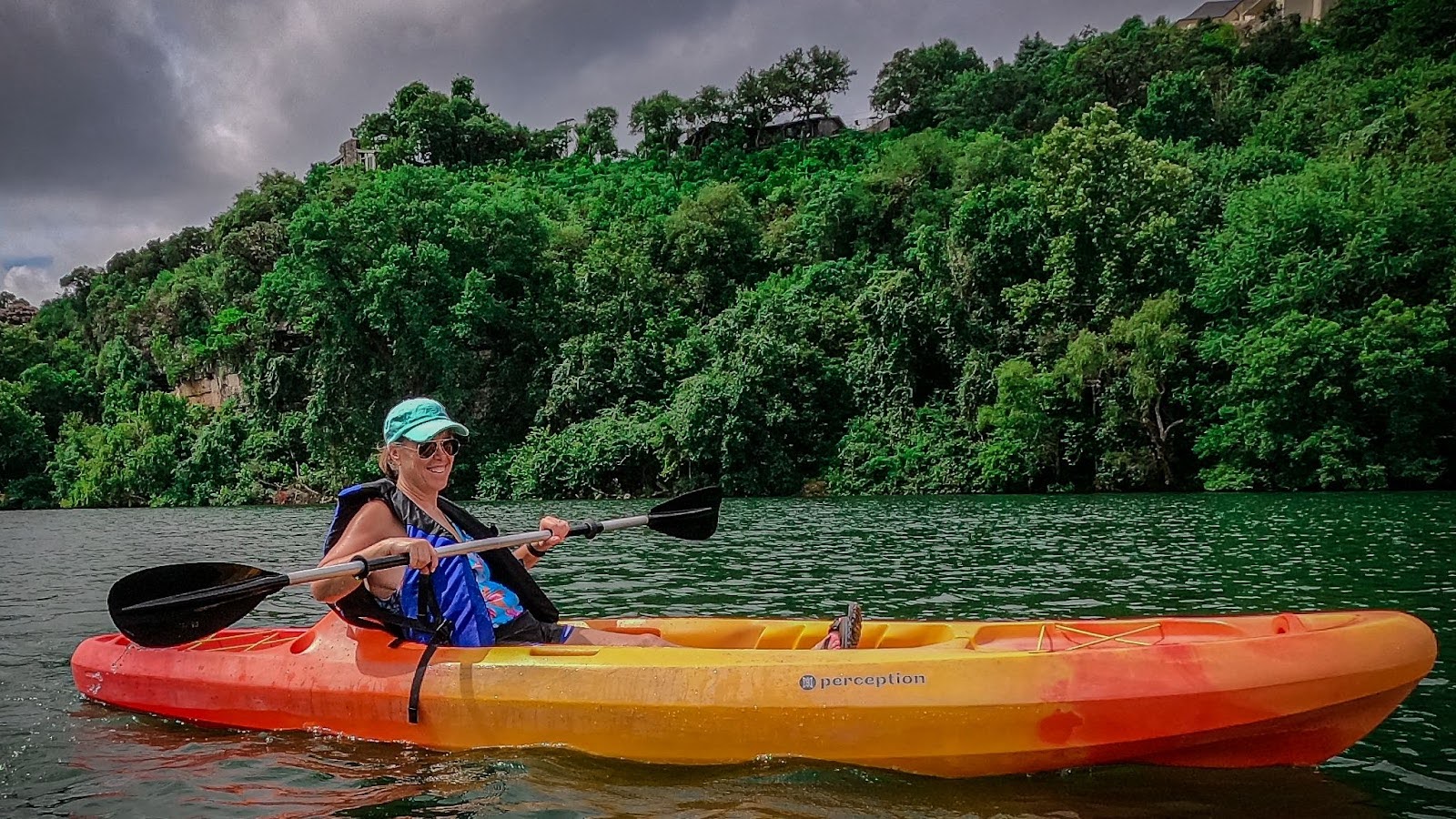
Austin and Austinites tend to embellish everything associated with their town. They are Texans, after all. But it’s hard to overstate how great Lady Bird Lake (also known as Town Lake) is. Let’s start with visual impact.
The lake knifes through the center of town, bisecting South Austin and downtown. Austin is transforming from limestone into an all-glass and steel city, but the lake softens the new architecture. You are still in the Hill Country here, and you know why people say Austin is a “pretty” town. No matter how well the city planners, architects, designers, and engineers do their job, it is tough to beat Mother Nature’s handiwork. There it is, on daily display for most of the city’s residents. Keep Elon away, though. God knows what he might do with it.
Ladybird’s value is far more than aesthetic. The number of people who use the lake and the surrounding park is astounding. Runners, walkers, and cyclists circle it. Couples to be, couples who are, and couples who were meet there. On the lake, there are paddle boats, kayaks, canoes, stand-up paddle boards, and tour boats. Then everybody gathers to watch the bats take off. It is by far the most communal body of water in Texas.
Check that. The one thing you will not see much of is people swimming in Ladybird Lake. The city outlawed that activity (Class C misdemeanor) in the 1960s after two sisters drowned. In the meantime, the problem of pollution has worsened, and the lake has become less safe due to the plants growing underneath its surface. So the absence of swimming should be a mark against Ladybird. Just a small one, though, because on opposite ends of Ladybird, you find Barton Springs Pool and Deep Eddy Pool. Barton Springs may be the most famous pool in Texas. Deep Eddy is the oldest swimming pool in Texas. Austinites and visitors flock to those two locales for their dips combined, we can safely call that trio the town swimming hole.

If you judge by drone shots, Possum Kingdom deserves to be number one. The water is clear; the cliffs are sheer, large, white, and imposing. In the middle of the cliffs is a sharp break that is one of the more unusual geologic features anywhere–”Hell’s Gate.” A landscape photographer’s dream.
Possum Kingdom is another depression era lake, but the area’s history stretches back much further. The lake follows the Brazos River through the Pinto Mountains, “mountains” being an aggressive description here. Before Anglo settlement, the area was a vital section of the Great Comanche Trail, the major highway for Native Americans moving from Mexico to the Plains.
After settlement, Ira Sablosky, a Russian Jew, made his way as a young man to the area. He became a fur trader, including possum pelts. Ira referred to the hunters who brought the pelts as subjects of the “Possum Kingdom.” The name stuck, or so the story goes.
For a long time, the area remained true to its history — a little rough and tumble. Recently, however, an influx of money from the Dallas-Fort Worth metroplex has gentrified the lake. There are now neighborhoods with homes to match the views. For the rest of us, the lake remains accessible, with numerous public ramps and a wonderful state park. Possum Kingdom has great fishing, great boating, and most of all, great being in a beautiful place.
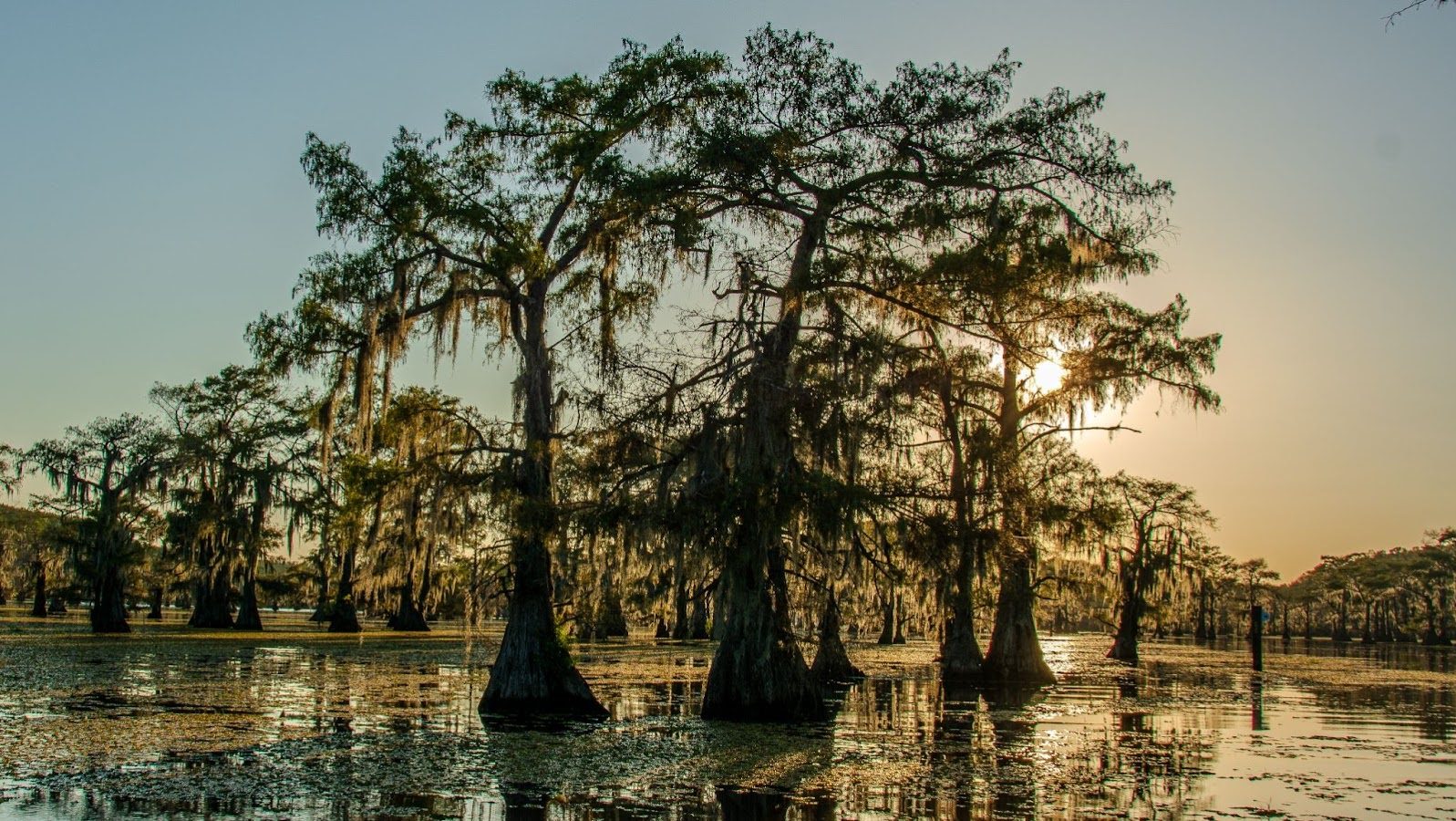
At Texas Ten, we are suckers for the unique and for Texas history. That combination makes Caddo Lake, which we reluctantly share with Louisiana, the obvious choice. We were reinforced in our decision when we learned that Caddo Lake is unique enough to merit its own institute. 25,000 acres of just about everything you can imagine and many things you cannot. Did I mention the film?
Back to the beginning. The name, as you guessed, derives from the Caddo Indians. A true nation with a developed culture, the Caddo were the principal force from Mississippi to East Texas for over a millennium. Originally, the lake was formed naturally, primarily due to a massive log jam known as the Red River Raft. As the dam did its work, the river overflowed its banks in massive quantities, creating a series of lakes. Notably, the waterway was navigable by shallow-draft steamboats.
The area near the lake was full of cotton plantations. The river/lake and the steamships were an avenue for getting the cotton to Shreveport and from there, to bigger markets. Jefferson was an inland port that became the center of the cotton transport and the first Texas boomtown. All was good. Until it wasn’t.
In Louisiana, the Raft had long caused problems for others, but nothing could be done about it. With the invention of nitroglycerin and a few other modern techniques, the Army finally destroyed the raft. The collateral impact significantly reduced the lake level. A series of other human interventions over the decades exacerbated the drop in lake level. Jefferson “dried up” for the time being.
For years, economic opportunities have repeatedly degraded the lake, most notably when it became the site of the first drilling platform over water. As the drilling became difficult, Gulf Oil built a small dam, and the lake refilled. When Lake O’ The Pines was created, the level fell again. In between those events, Lyndon Johnson’s father-in-law and his friends donated land for what is now the state park (great) and built and operated an enormous munitions plant complete with toxic chemicals (awful). It was not until the end of the 20th century that conservation efforts began to take root around Caddo.
That the lake exists at all is improbable. That the lake is one of the most biologically diverse and hauntingly beautiful places on earth is a full-blown miracle. The Cypress trees and Spanish Moss that hang from them are ethereal storytellers. Centuries of humans, and still the lake is what it wants to be.
Caddo is not the typical fun-in-the-sun lake. Nowhere close, actually. However, it is so different, so beautiful, and so historically significant that there is no other choice here. You could spend every weekend for the rest of your life at Caddo and just scratch the surface. Every Texan needs to devote at least one weekend just to say they have been there.
We love our list and stand by it. But that is just us. If we missed something or misranked it, let us know. 

 Or info@texasten.com


